From the perspective of mass media, H5N1 is often mentioned through shocking statistics: how many millions of poultry have been culled, how many outbreaks have occurred, and how much egg prices have increased. However, from the perspective of industrial livestock businesses, the impact of H5N1 goes far deeper. This is not merely about livestock losses. It is a complex challenge involving productivity, operational costs, international trade, market reputation, and the resilience of the entire supply chain.
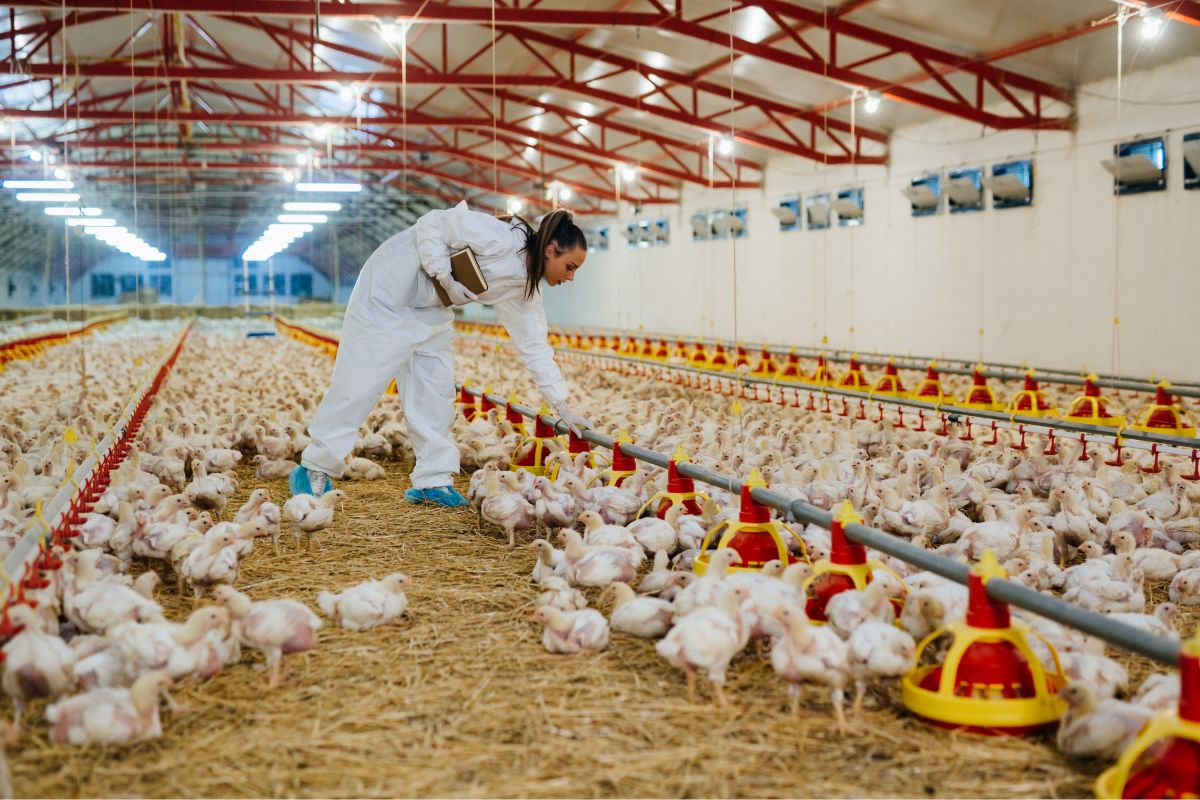
The first and most visible impact is the direct loss of production. When an outbreak occurs on an industrial poultry farm, large-scale culling is typically implemented to stop the virus's spread. According to Reuters, in February 2026 alone, Pennsylvania lost 7.4 million chickens. Across the United States, the outbreak that began in 2022 has removed approximately 196 million birds from the production chain. For the egg and poultry meat industries, this represents a direct supply shock. When affected farms are large-scale operations with high-density production, the impact on the market is far greater than smaller, isolated outbreaks.
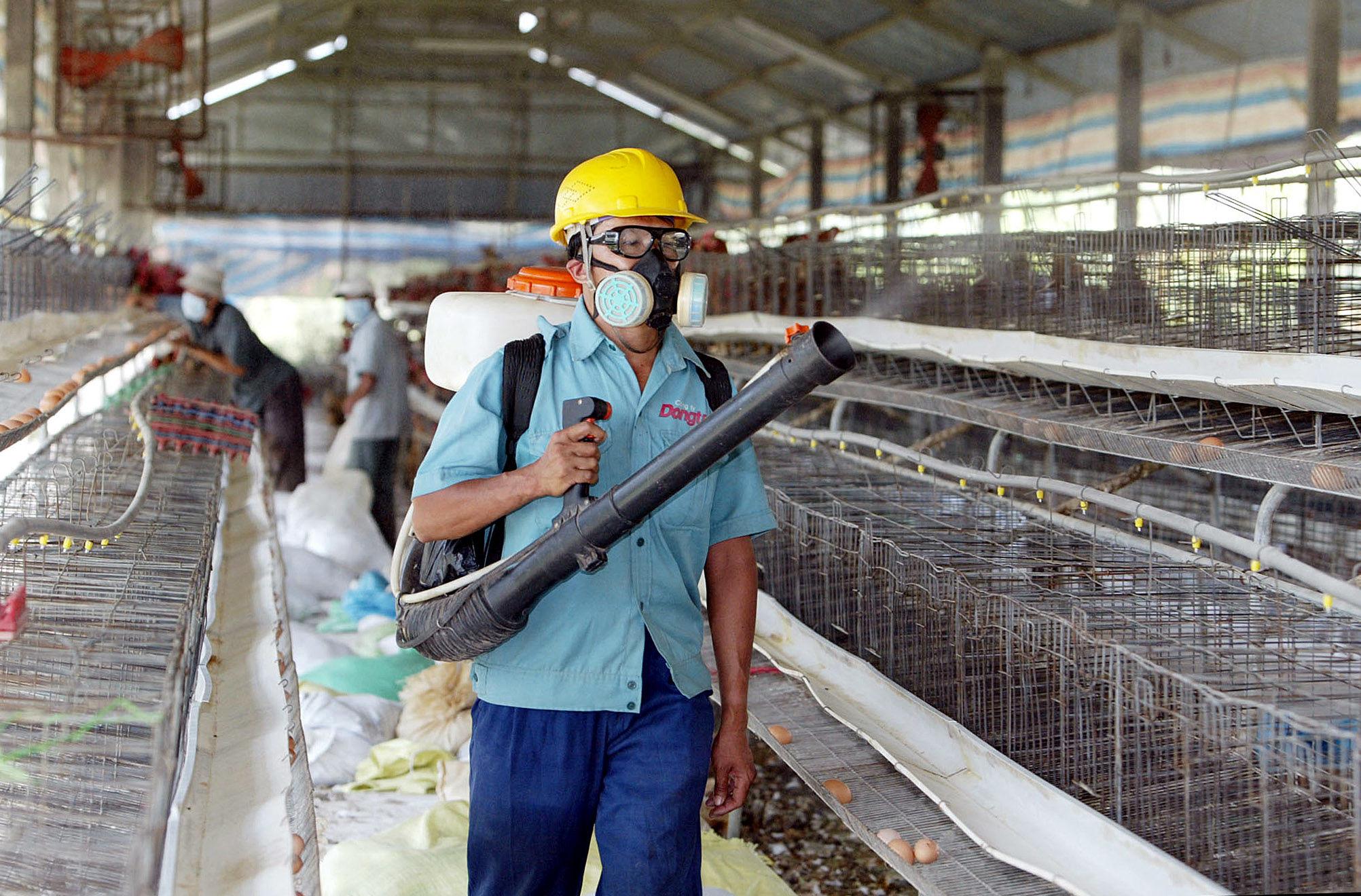
However, for businesses, the damage does not stop at the number of animals lost. After culling, a cascade of additional costs follows: disinfection procedures, environmental treatment, production shutdowns, laboratory testing, strengthened biosecurity barriers, workforce retraining, changes in transportation protocols, and tighter monitoring of vehicles and visitors entering farms. Reuters cited a USDA plan showing that the United States has allocated up to $1 billion to combat H5N1. This includes $500 million for free farm biosecurity inspections and $400 million to increase compensation for farmers forced to cull their flocks. When a major agricultural economy like the United States deploys such a large support package, it demonstrates that the cost of disease control is no longer limited to individual farms but has become a systemic cost for the entire industry.
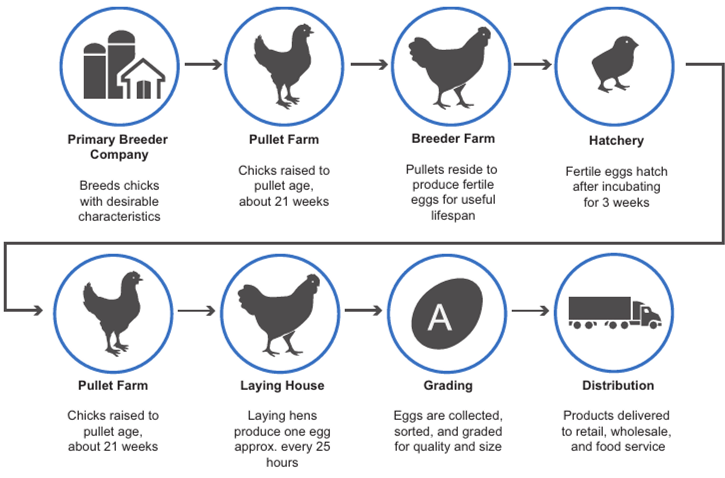
The second impact is disruption across interconnected supply chains. As H5N1 spreads, livestock businesses face pressure not only from the disease itself but also from operational changes across the supply chain: the movement of breeding stock, feed transportation, diagnostic sampling, slaughter logistics, cold storage and distribution, and even the recruitment and organisation of labour in outbreak regions. In the dairy sector, Reuters reported that the USDA expanded its surveillance strategy by conducting widespread testing of raw milk, following pressure from veterinary experts and industry associations for stronger monitoring. This development illustrates that once the virus enters the dairy production system, the entire chain—from farms and milk tanks to transportation, laboratory testing, and data management—must adapt.
The third impact is pressure on international trade. In agricultural trade, a single outbreak on a commercial farm can trigger import bans or restrictions at the regional, state, or national level, depending on bilateral sanitary agreements. Brazil's experience in 2025 provides a clear example. Reuters reported that Brazil—the world's largest poultry exporter—confirmed its first avian influenza outbreak on a commercial poultry farm in May 2025. This event immediately triggered restrictions from several major importing countries. The European Union declared that Brazil was no longer eligible to export poultry meat to the EU market following the outbreak. At the same time, China and other trading partners imposed their own import restrictions.
Importantly, trade impacts do not end with the duration of a ban. They also involve market perception, recertification costs, and renegotiation of sanitary protocols. Reuters reported that by August 2025, even though Brazil had declared its commercial poultry sector virus-free after 28 days without new outbreaks, many countries maintained varying levels of restrictions. Some banned all Brazilian poultry products, others restricted imports by state, and some limited trade only from specific regions. This demonstrates that after an outbreak, businesses must not only successfully control the disease, but also rebuild market trust—and these are two very different challenges.
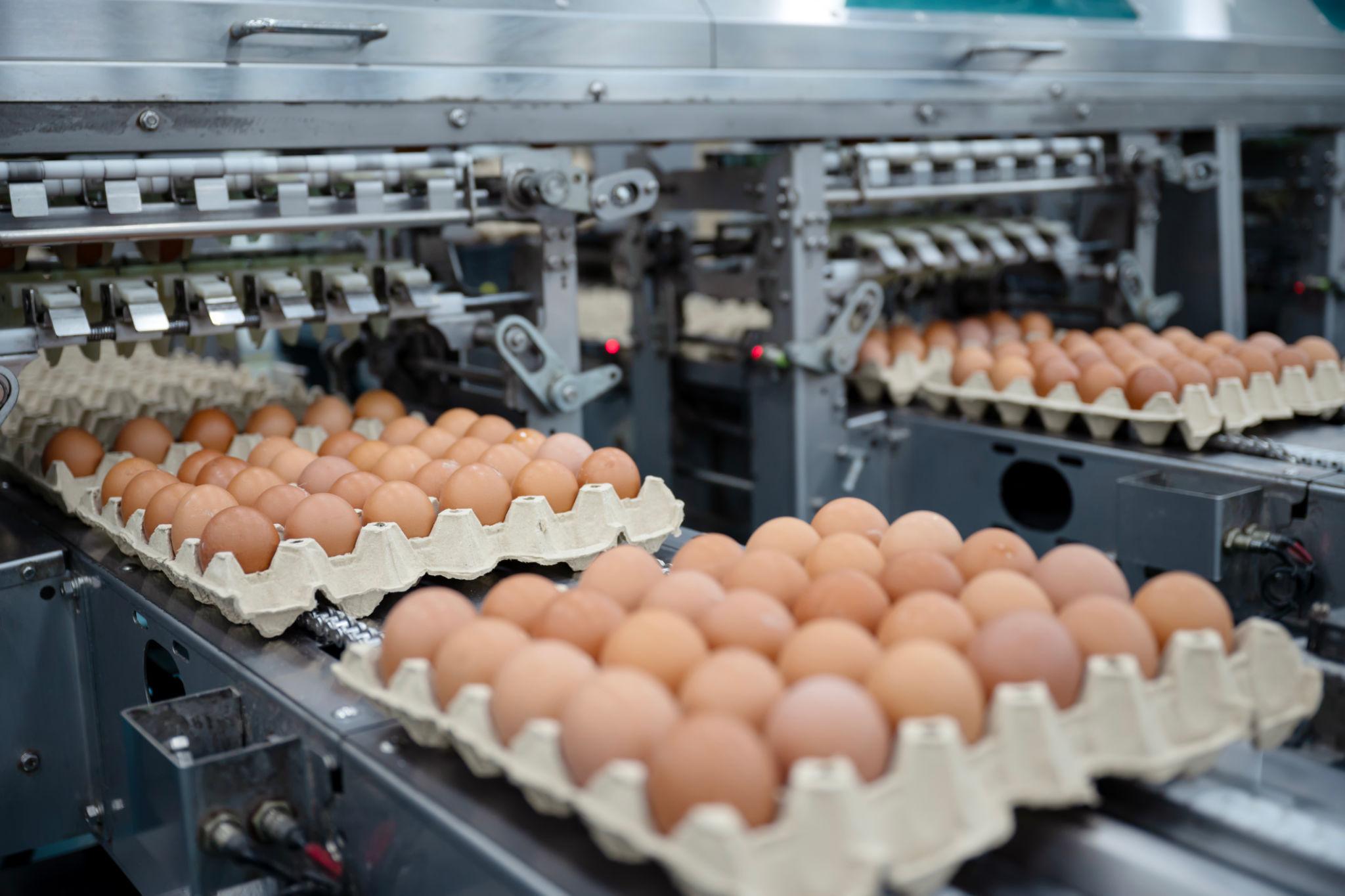
The fourth impact is pressure on prices and end consumers. When egg and poultry supply declines in major markets, the consequences quickly spread to retail. Reuters reported that egg prices in the United States surged as millions of laying hens were lost due to the outbreak. This example illustrates that H5N1 is not only a problem for farmers; it also affects consumers, retailers, and governments. When food prices rise because of animal disease outbreaks, the issue immediately moves beyond veterinary science and becomes an economic and social concern.
In addition, companies face a significant but less visible risk: reputational risk. In the digital media era, even unclear or poorly communicated information about outbreaks, culling activities, product safety, or quarantine measures can damage a company's public image. Meanwhile, regulatory authorities in many countries emphasise that avian influenza is not transmitted through properly handled poultry meat and eggs. WOAH, and the FDA also confirm that pasteurised milk remains safe because the virus is inactivated during heat processing. Therefore, the challenge for businesses is not only to control the disease effectively but also to communicate transparently with the market. Without clear communication, even well-controlled outbreaks can erode consumer trust.
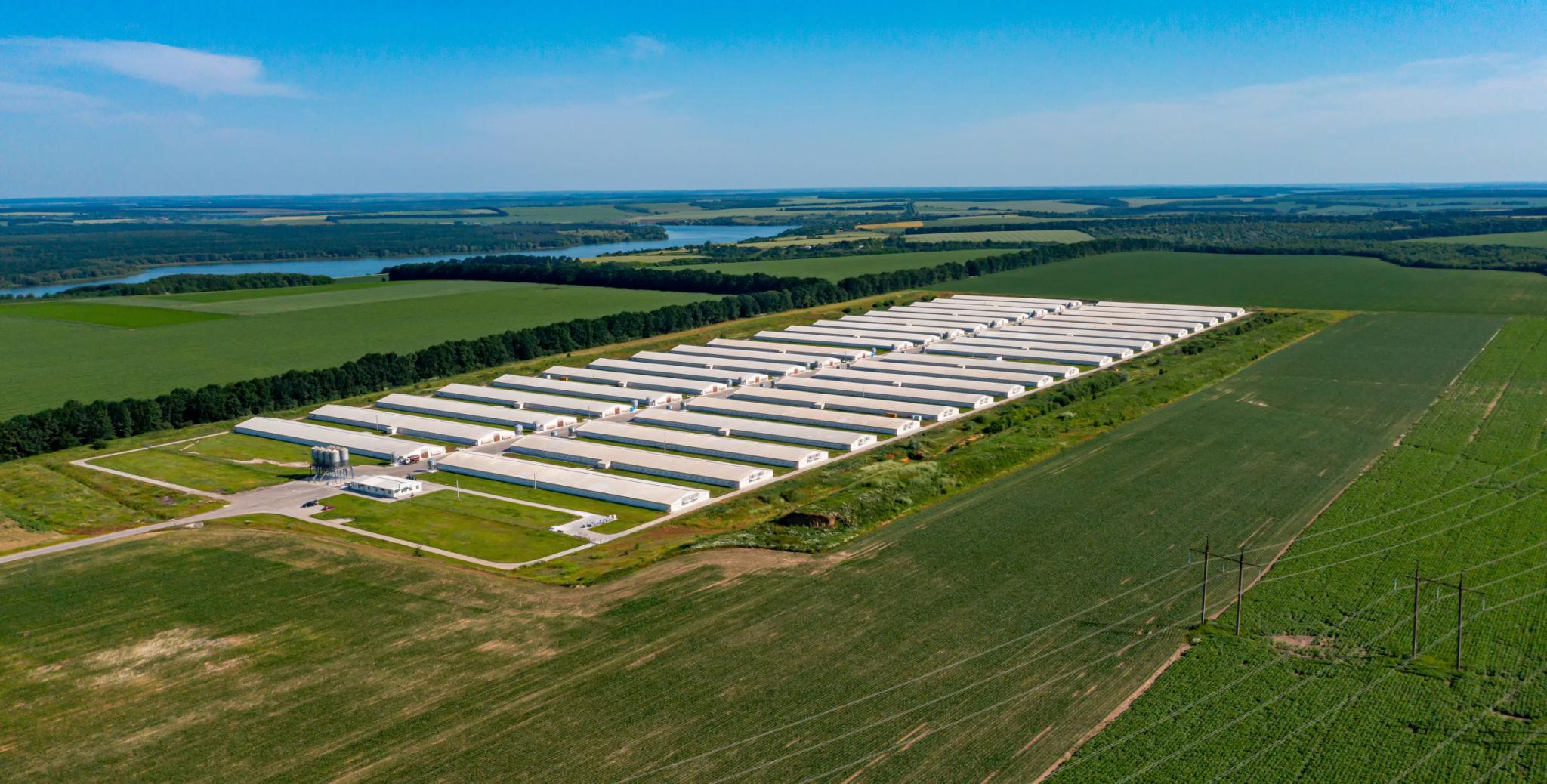
Taken together, H5N1 affects industrial livestock businesses on three interconnected levels.
The first level is biological loss: animal deaths, culling, reduced production, and declining milk output.
The second level is operational disruption: higher costs, procedural changes, and supply chain interruptions.
The third level is market impact: import bans, declining consumer confidence, pressure on communication, and reassessment of business risks.
It is precisely this third level that elevates H5N1 from a technical veterinary issue to a strategic business challenge. It is no longer solely the responsibility of veterinarians or farm managers—it becomes a core concern for corporate leadership and long-term industry planning.