
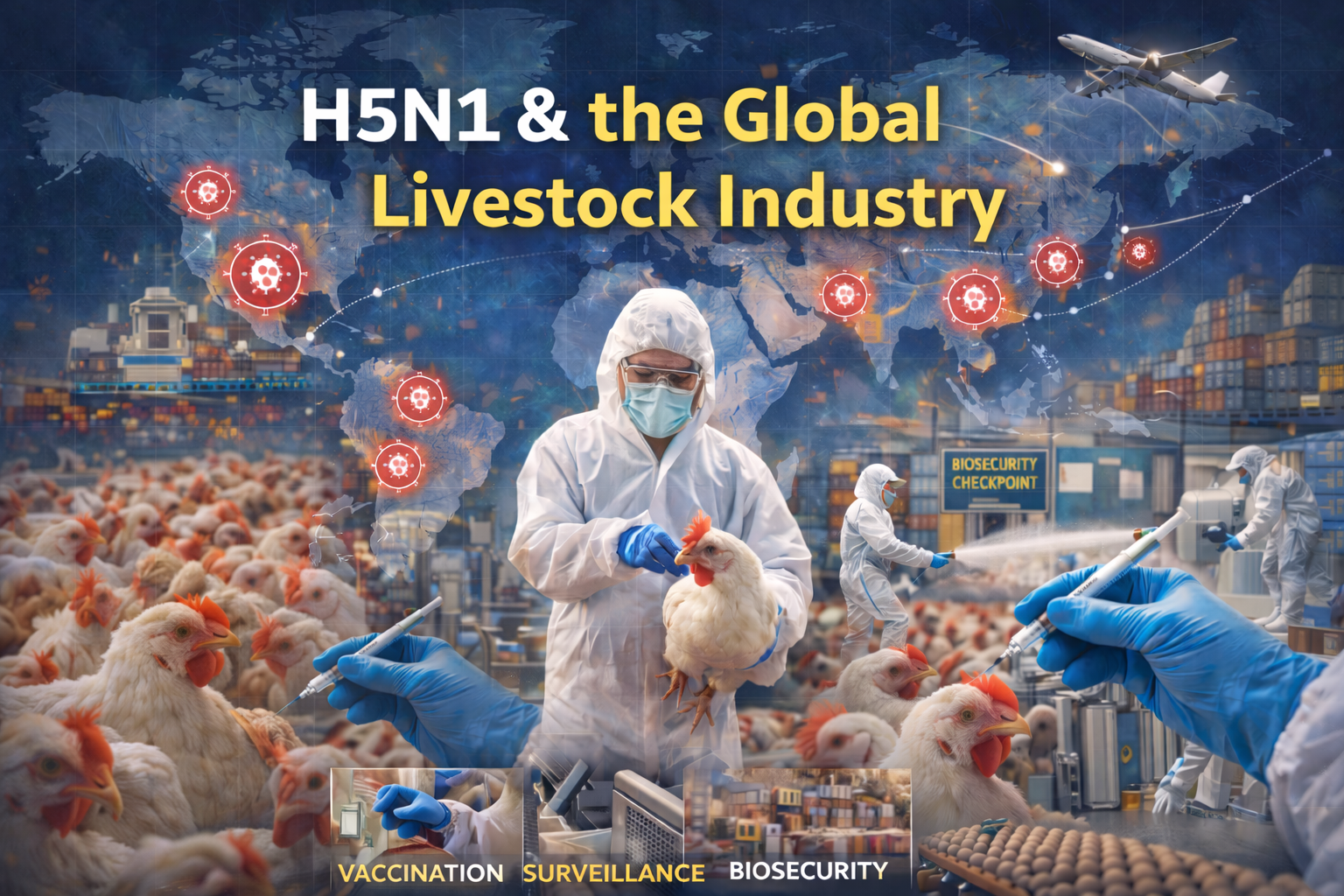
If the early phase of the battle against H5N1 was defined by familiar measures such as containment, culling, disinfection, and transport control, the current phase is entering a new debate: are those measures still enough? As the virus not only persists in wild bird populations but has also appeared in dairy cattle and other mammals, the global industrial livestock sector is gradually shifting from an "outbreak response" mindset to a "multi-layer defense system" approach. At the centre of this transition are three key pillars: vaccination, proactive surveillance, and upgraded biosecurity.
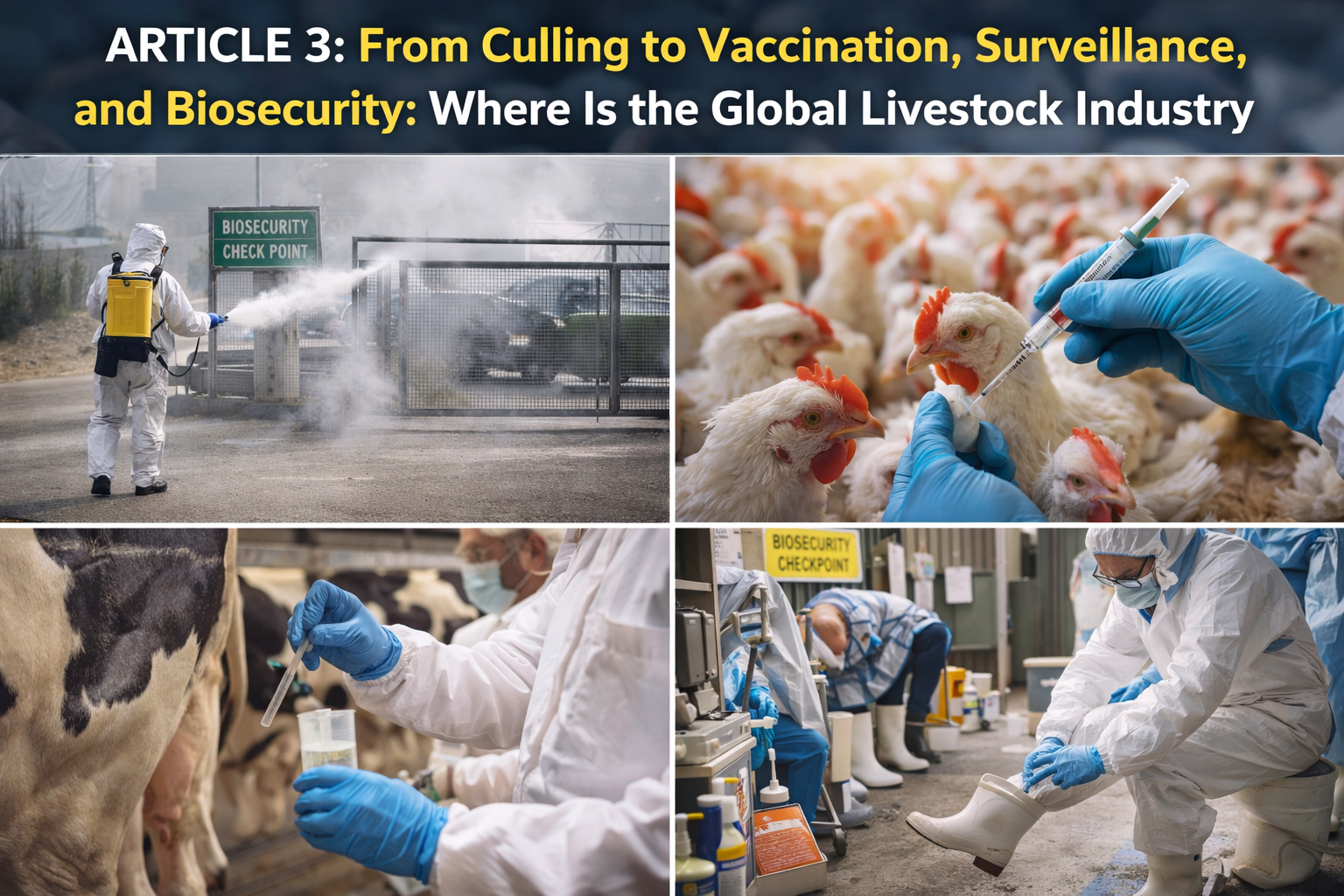
The first pillar is vaccination. For many years, avian influenza vaccines have been a subject of intense debate because of their direct implications for international trade. Some countries worry that vaccinated poultry may not exhibit clear symptoms, making it harder to detect infected flocks. Reuters reports that the World Organisation for Animal Health (WOAH) is working on global standards based on the DIVA principle—Differentiating Infected from Vaccinated Animals—to address trade concerns while allowing countries to both protect livestock populations and maintain trade flows. The emphasis on DIVA indicates that vaccination is no longer a marginal option but is increasingly becoming a central tool in H5N1 risk management.
In practice, several countries have already begun moving in this direction. Reuters reported that France, one of the world's major poultry exporters, launched a nationwide vaccination campaign for ducks starting in 2023. By 2025, producers reported that poultry production had recovered to levels not seen since before the severe outbreaks of previous years. According to Reuters, the number of outbreaks in France dropped dramatically—from more than 300 cases to just around 10 within a year after the vaccination campaign began. The Netherlands has also initiated a pilot vaccination program for laying hens since March 2025, aiming to expand it in the future. However, the country remains cautious due to potential trade implications and the need for robust surveillance infrastructure.
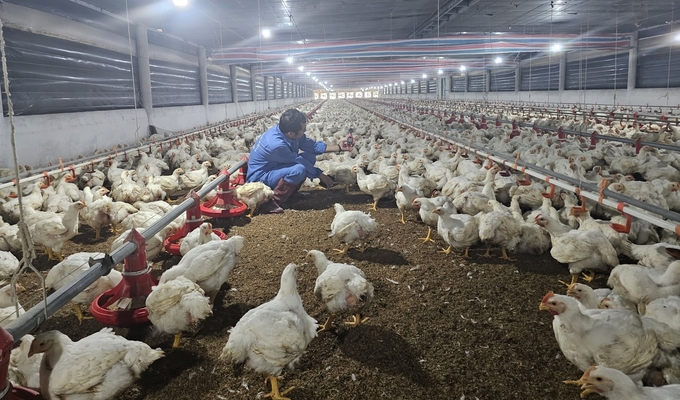
However, vaccination is not a "magic solution." Even countries at the forefront of vaccination efforts combine it with strict surveillance programs. In the Netherlands, eggs from vaccinated flocks are currently sold only within the domestic market. At the same time, authorities monitor market responses and evaluate the effectiveness of surveillance systems. Reuters reported that the Dutch government emphasised that large-scale vaccination requires adjustments not only in veterinary infrastructure but also in monitoring systems. In other words, vaccines are most effective when they are part of a multi-layer strategy, rather than a replacement for surveillance and biosecurity.
The second pillar is proactive surveillance. In the past, many monitoring systems primarily reacted when animals showed visible symptoms or when diagnostic tests confirmed suspected cases. Today, the trend is shifting toward more proactive, continuous, and broader-scope surveillance. The FAO has issued specific recommendations for monitoring H5N1 in cattle and other farmed mammals, following the virus's spread from wild birds to poultry and now to mammals. In the United States, Reuters reported that the USDA expanded its surveillance strategy by conducting large-scale testing of raw milk, following arguments by veterinary experts and industry associations that previous monitoring systems were insufficient to contain the virus. APHIS has also emphasised a national strategy that includes the National Milk Testing Strategy, along with several support and testing programs for livestock producers.
This shift represents an important change in mindset. Proactive surveillance not only helps detect outbreaks earlier—it also enables businesses and regulators to understand how risk moves through the system: where it enters, which groups are affected, how widely it spreads, and where the system's vulnerabilities lie. In the context of H5N1, transmission pathways may involve wild birds, equipment, vehicles, milk, manure, bedding materials, or human workers. Surveillance data, therefore, becomes not just an accessory but a foundation for decision-making.
The third pillar is enhanced biosecurity. WOAH notes that highly pathogenic avian influenza in cattle may involve exposure to infected milk, aerosols, or contaminated equipment and clothing. High-risk groups include farmers, farm workers, and veterinarians. This means modern biosecurity can no longer stop at disinfection gates or warning signs restricting visitors. Instead, it must extend to every operational detail: personnel movements, vehicle routes, protective clothing procedures, hand hygiene protocols, raw milk handling, shared equipment management, and the separation of clean, contaminated, quarantine, and production areas. Reuters' report on the USDA's $1 billion H5N1 response package also demonstrates that biosecurity has been elevated to a strategic priority rather than a purely procedural recommendation.
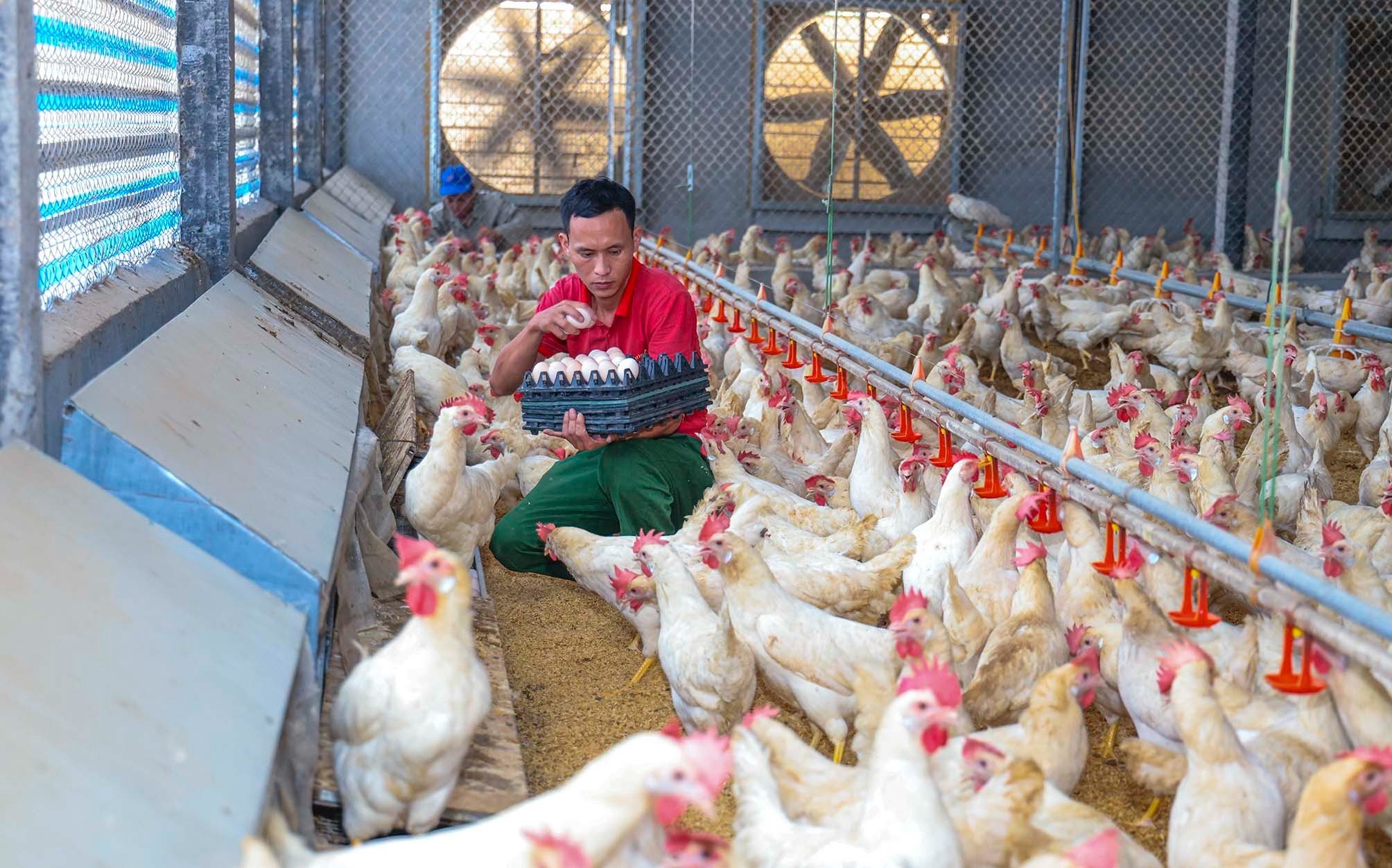
For livestock businesses, the most important question today is not simply "How afraid should we be of H5N1?", but rather "How should we design production systems that can operate sustainably in a world where H5N1 exists?" The answer will likely not lie in a single tool. Not just vaccines. Not just testing. Not just disinfection. Instead, it will come from a combination of multiple defence layers: early surveillance, rapid response systems, standardised biosecurity protocols, workforce training, transparent data systems, and responsible communication.
From a strategic perspective, the future of industrial livestock production will belong to companies that treat animal disease as a permanent management variable, alongside feed price volatility, weather risks, and interest rates. In that context, investment in biosecurity is no longer simply a preventive cost, but a cost of maintaining market participation. Investment in surveillance is no longer merely a testing expense, but a cost of maintaining response speed. And investment in transparent communication is no longer just an image expense, but a cost of maintaining trust.
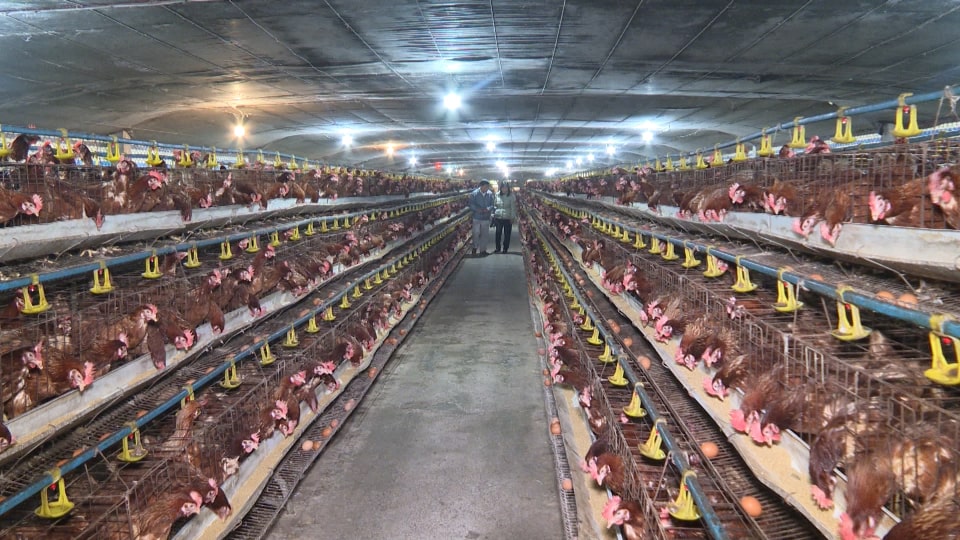
H5N1 has forced the world to reexamine the livestock industry. But at the same time, it is also pushing the industry toward a new standard—one that is more professional, more data-driven, more disciplined, and more biosecure. If competitive advantage in the past came primarily from scale, cost efficiency, and productivity, the next phase of competition will increasingly depend on the ability to control biological risk systematically. And that may ultimately be the most significant legacy that the H5N1 crisis leaves behind for the global industrial livestock sector.