Agriculture produces enormous volumes of by-products every year. Some are transformed into biofuel, compost, or industrial materials. Many others are discarded, despite containing nutrients and functional compounds that could support animal production. In the poultry sector, where feed costs remain the single most significant expense, converting low-value agricultural residues into effective feed ingredients has become a high-impact strategy.
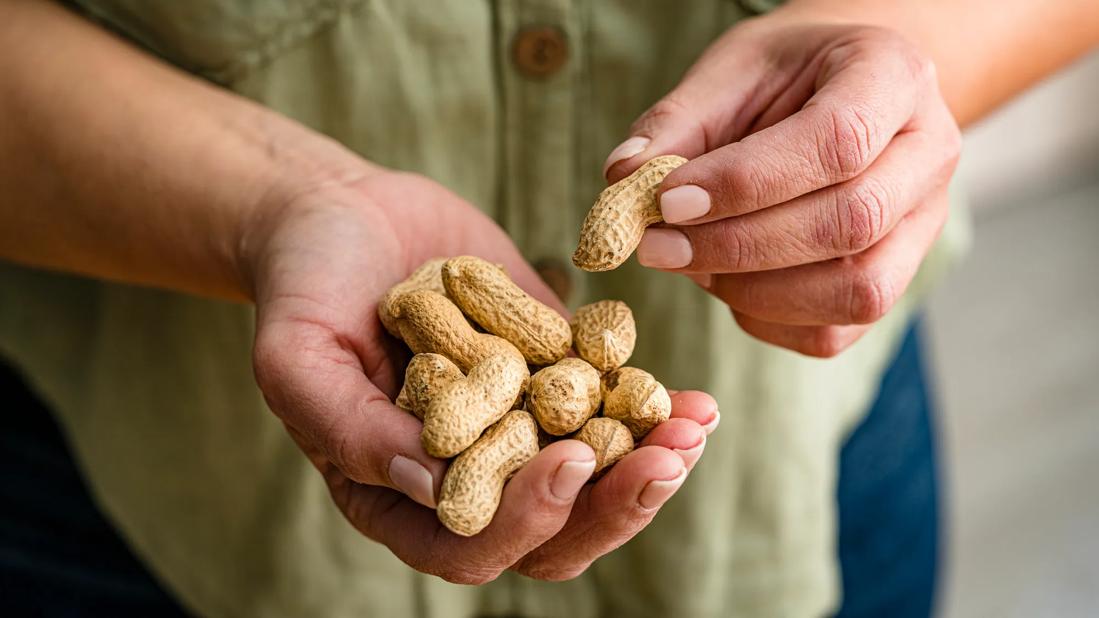
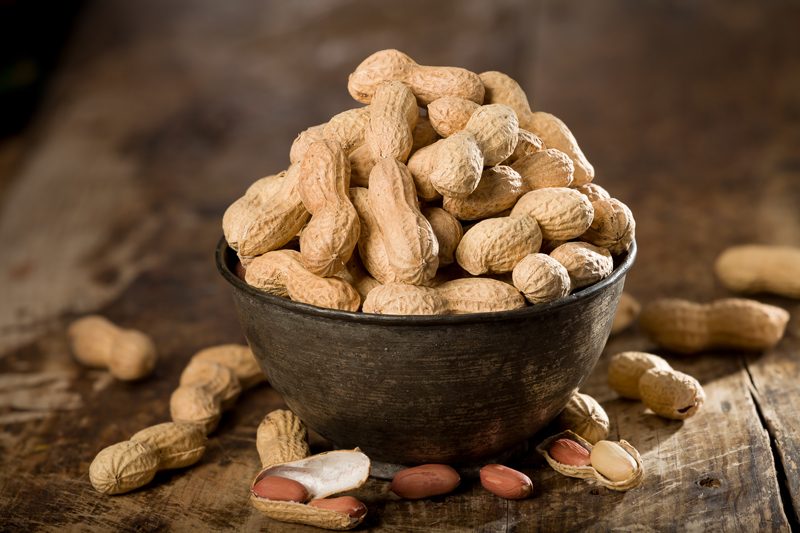
One by-product gaining attention is the peanut shell. Traditionally treated as waste, peanut shells are now being studied for their potential role in poultry diets. Although they appear thin and lightweight, peanut shells contain a combination of protein, carbohydrates, fats, fibre, vitamins, minerals, and natural antioxidants. Some antioxidant levels have been reported to be comparable to those in green tea, making the ingredient especially interesting from a functional nutrition standpoint.
But can peanut shells actually be used safely in poultry feed? What about allergy risks for consumers? Are there anti-nutritional factors? And how should farms and feed mills apply these findings in a responsible, practical way?
This article provides a comprehensive international-style overview of peanut shells in poultry feeding programs, covering nutritional value, research insights, safety considerations, formulation strategies, and how this innovation aligns with modern animal health and export compliance standards.
Poultry production has become more technically demanding over the last decade. Producers must meet rising expectations in:
At the same time, feed ingredient costs fluctuate heavily due to global grain market volatility. In many regions, the import of corn and soybean meal drives up costs and reduces profit margins. That’s why local by-products—if proven safe—can be game-changing.
Peanut shells are one of the most abundant by-products in peanut processing. In the United States, it’s estimated that 18,000 to 30,000 tons of peanut shells are separated each year when peanuts are prepared for food use or oil extraction. If that number is difficult to imagine, it has been compared to the approximate weight of around 30 blue whales.
That scale alone makes peanut shells worth investigating. If a portion of that volume can be repurposed for poultry feed, the impact could be significant—both economically and environmentally.
At first glance, peanut shells seem like pure fibre. In reality, they contain multiple nutritional components:
From a poultry nutrition perspective, fibre is not automatically negative. At the same time, monogastric animals cannot digest fibre as efficiently as ruminants. However, small amounts of structured fibre can improve gut motility, support gizzard function, and contribute to better litter quality.
More importantly, antioxidant compounds may support intestinal health, reduce oxidative stress, and improve resilience under stress conditions—especially in high-density commercial farms.
This is why peanut shells are increasingly viewed not just as a “cheap filler,” but as a potential functional ingredient.

The inclusion of peanut shells in poultry feed is not just a farm experiment—it’s a research-driven idea. According to the content you provided, USDA’s Agricultural Research Service (ARS) (a leading scientific agency under the U.S. Department of Agriculture) has been evaluating whether peanut shells can be safely introduced into poultry diets.
The work focuses on the most critical issues:
When a national-level research body like ARS studies a feed by-product, it signals strong potential for adoption—if the science confirms feasibility.
One of the primary concerns with any peanut-related ingredient is the risk of exposure to allergens. Can allergenic peanut proteins be transferred into eggs or poultry meat?
According to the research summary in your content, no traces of allergenic peanut proteins were detected in eggs or poultry meat from birds fed diets containing peanut shell ingredients. This indicates a low likelihood of allergen transfer to the consumer level—an essential requirement for any ingredient meant for mainstream food production systems.
This finding is significant for international markets, where allergen safety is tightly regulated, and brand risk is high.
While allergen risk appears manageable, peanut shells contain tannins. Tannins are naturally occurring plant compounds that can bind proteins and digestive enzymes, lowering protein digestibility.
In poultry diets, reduced protein digestibility may lead to:
This doesn’t mean peanut shells are “bad.” It means they must be used correctly.
Peanut shells should be included at low, controlled inclusion levels and tested for their impact on performance. Researchers are focused on identifying the optimal percentage that delivers benefits without reducing digestibility.
Peanut shells are not intended to replace core ingredients, such as corn or soybean meal. Instead, they can serve as:
Supporting gizzard activity and digestive function.
Contributing antioxidants that may improve gut health.
Reducing agricultural waste and improving circular production.
Offering partial replacement for expensive fibre or filler sources in specific formulations.
For any agricultural by-product, processing is crucial to success. Peanut shells must be treated as a feed-grade raw material, not waste.
Advanced options can further improve usability:
Peanut shells offer a unique combination of economic and sustainability value:
Instead of treating shells as a disposal problem, peanut processors can create new value streams.
More efficient by-product usage means fewer resources are wasted, and less landfill disposal is required.
Local by-product integration can reduce dependence on volatile global commodity markets.
These benefits are especially relevant for developing markets where feed cost sensitivity is high and agricultural residues are widely available.
Using peanut-derived ingredients in animal feeding is not new. In some regions—especially parts of Africa—peanut meal (also known as oil cake) has long been used in livestock and poultry feeding programs. The difference is that peanut shells contain significantly more fibre and a distinct bioactive profile.
This is the next step in the same direction: expanding the sustainable use of peanut processing by-products.
Sustainable feed innovation doesn’t happen in isolation. Once farms change ingredients, they must monitor:
That’s why nutrition programs must be integrated with veterinary oversight and biosecurity planning. In export-focused production chains, buyers increasingly expect documented preventive health systems and responsible product use policies.
This is where advanced farm ecosystems often connect with Veterinary Medicines Vietnam, supporting consistent disease prevention strategies and stable productivity across production cycles.
When farms scale and supply international markets, procurement partners and integrators may work with a trusted Veterinary Medicines Exporter to ensure quality documentation, compliance, and reliable supply for large-scale operations.
As these systems become more standardised, the industry also depends heavily on quality production capacity—including Veterinary Medicines Manufacturing facilities that can meet consistent standards and support sustainable growth across markets.
Many farms today operate as integrated livestock enterprises rather than single-species systems. Poultry may be combined with swine, cattle, goats, or aquaculture, depending on the region.
This multi-species reality drives demand for broader portfolios such as Animals Medicines Vietnam, which support disease management and prevention across different animal production systems.
International partnerships also require strong export capability and regulatory experience, making collaboration with an animal medicines Exporter an increasingly important part of market expansion for animal health providers.
Finally, sustainable production requires scalable manufacturing systems. This is why investment in animal medicines manufacturing capacity plays a strategic role—ensuring product quality, availability, and compliance readiness for domestic and international supply chains.
If you are considering peanut shells as a feed ingredient, use this checklist:
The key is disciplined, data-based adoption—not sudden replacement.

Yes, research suggests they can be introduced at low inclusion levels when properly processed and tested for safety.
Research cited in your source indicates that no allergenic peanut proteins were detected in eggs or meat from poultry fed peanut shell ingredients.
Peanut shells contain tannins, which may reduce protein digestibility in poultry if inclusion levels are too high.
They offer fibre, functional antioxidants, sustainability benefits, and potential cost savings on feed.
They should be cleaned, dried, ground uniformly, and tested for contaminants, mould, and safe storage conditions.
Peanut shells represent a powerful opportunity in sustainable poultry nutrition. Although historically discarded, they contain fibre, nutrients, and bioactive antioxidants that may support digestive function and health—mainly when used at controlled inclusion levels. The major constraint is tannin content, making formulation discipline essential.
As global poultry production shifts toward more sustainable, cost-effective systems, agricultural by-products like peanut shells may become an integral part of next-generation feed strategies—especially in countries with robust peanut processing industries.