
Methane (CH₄) is one of the most potent greenhouse gases, with a warming potential 28 times greater than carbon dioxide. According to studies, livestock farming accounts for up to 50% of total methane emissions in Vietnam’s agricultural sector.
For Veterinary Medicines Vietnam and Animal Medicines Vietnam, this presents both a challenge and an opportunity: how to sustain livestock productivity while reducing emissions.
At the COP26 Summit, Vietnam pledged to reduce methane emissions by 30% by 2030, aligning with the Global Methane Pledge. This commitment has accelerated innovation in the Veterinary Medicines Manufacturing and Animals Medicines Manufacturing sectors, driving the industry toward sustainable, eco-friendly production systems.
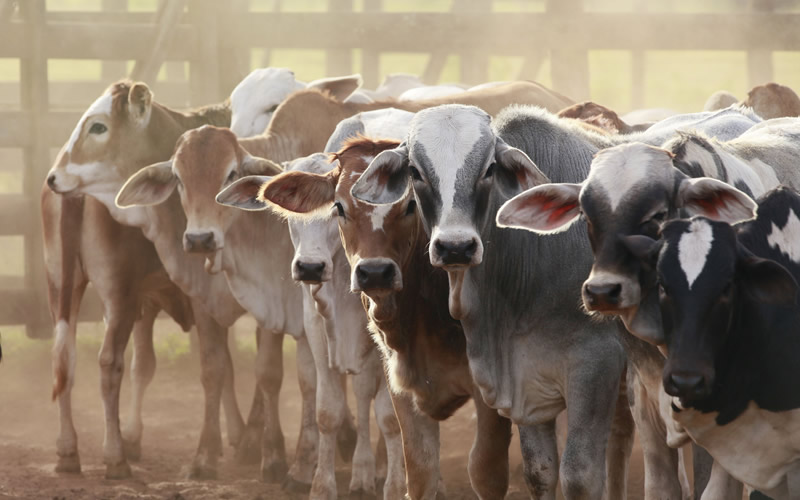
For decades, soybean meal and fishmeal have been the primary protein sources in animal feed. However, overreliance on these ingredients leads to environmental issues, including deforestation and high methane production during digestion, especially in ruminants.
To address this, many Veterinary Medicine Manufacturing companies have turned to insect-based protein, primarily derived from the Black Soldier Fly (BSF).
This insect efficiently converts organic waste (food scraps, agricultural byproducts) into high-quality protein and lipids, while producing minimal greenhouse gas emissions.
Insect protein contains essential amino acids and antimicrobial peptides that help improve gut health and boost animal immunity—making it a functional ingredient beyond simple nutrition.
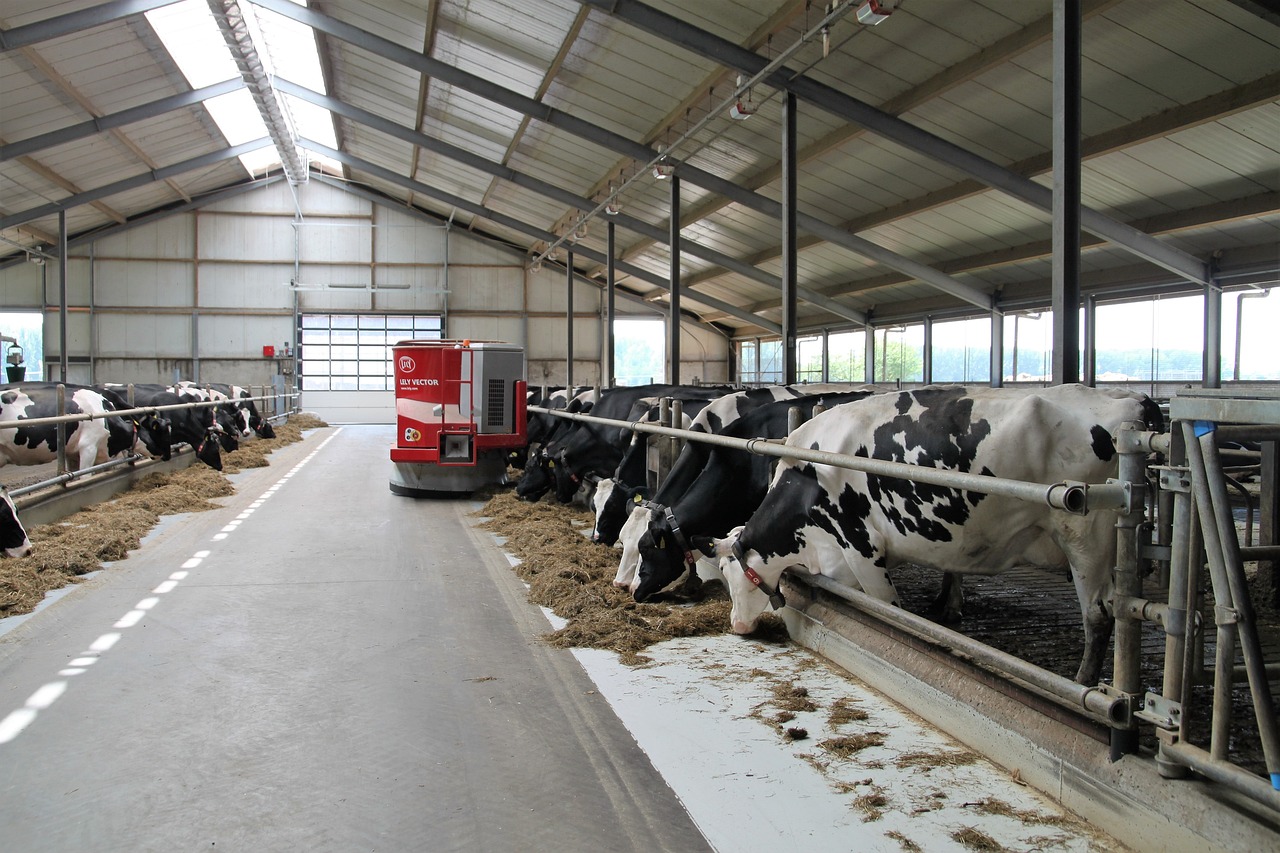
In pilot farms across Dong Nai and Binh Duong provinces, Animal Medicine Manufacturing partners have integrated insect meal into the diets of broilers and piglets.
Results show:
Such evidence demonstrates that insect protein is not only sustainable but also economically viable for Vietnamese farmers.
With growing global demand for green and traceable animal nutrition, Veterinary Medicine Exporters and Animal Medicine Exporters from Vietnam are gaining attention from markets such as Japan, South Korea, and the European Union.
These regions are adopting ESG-based procurement, favouring suppliers that demonstrate low-carbon and circular production models.
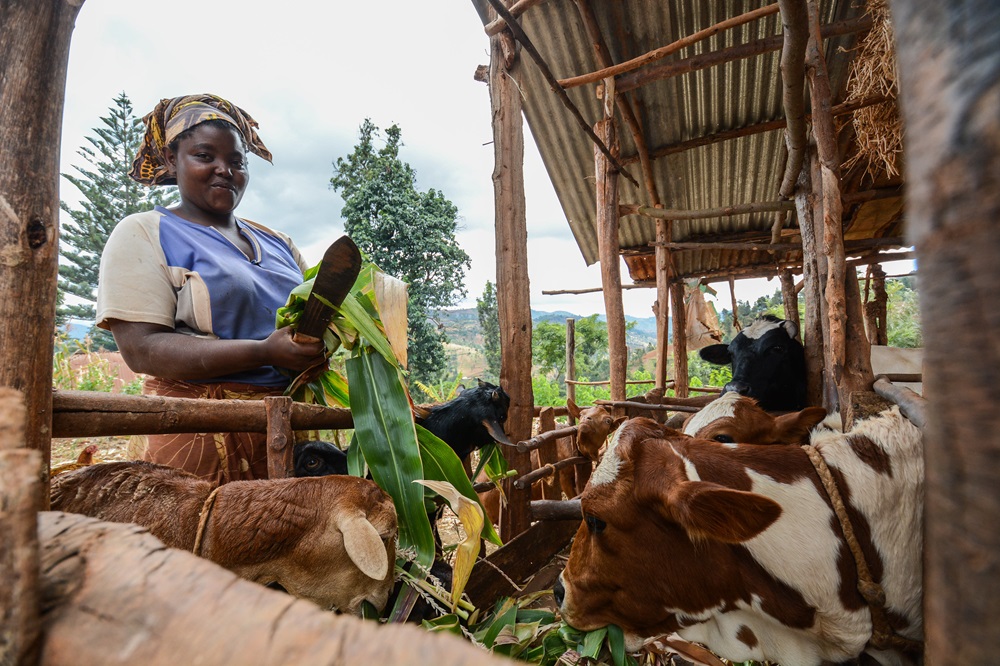
Seaweed is emerging as another powerful solution in reducing methane emissions from ruminants. Particular species, such as Asparagopsis taxiformis (red seaweed) and Sargassum sp. (brown seaweed), contain bromoform, a compound proven to suppress methanogenic bacteria in the rumen.
Studies in Australia and New Zealand have shown that adding just 1–2% seaweed meal to dairy cow diets can reduce methane emissions by up to 80%, without affecting milk yield or animal health.
With over 3,200 km of coastline, Vietnam possesses a rich diversity of native seaweed species — an untapped resource for Animal Medicines Manufacture.
Leading veterinary medicine companies in Vietnam are partnering with marine research institutes in Nha Trang and Phú Yên to develop a seaweed-based feed supplement industry, integrating harvesting, drying, and bioactive extraction technologies.
This initiative not only helps lower emissions but also adds value to Vietnam’s blue economy by promoting circular resource utilisation between aquaculture and livestock.
In addition to alternative proteins, biotechnological innovations play a significant role in reducing methane emissions.
Veterinary Medicines Manufacture and Animal Medicines Vietnam companies are expanding research in biological feed additives, such as:
Internal trials conducted by an Animal Medicines Manufacturer partner in Hung Yen reported a 25% reduction in methane and a 6% increase in milk yield when probiotic and enzyme blends were added to dairy cow diets.
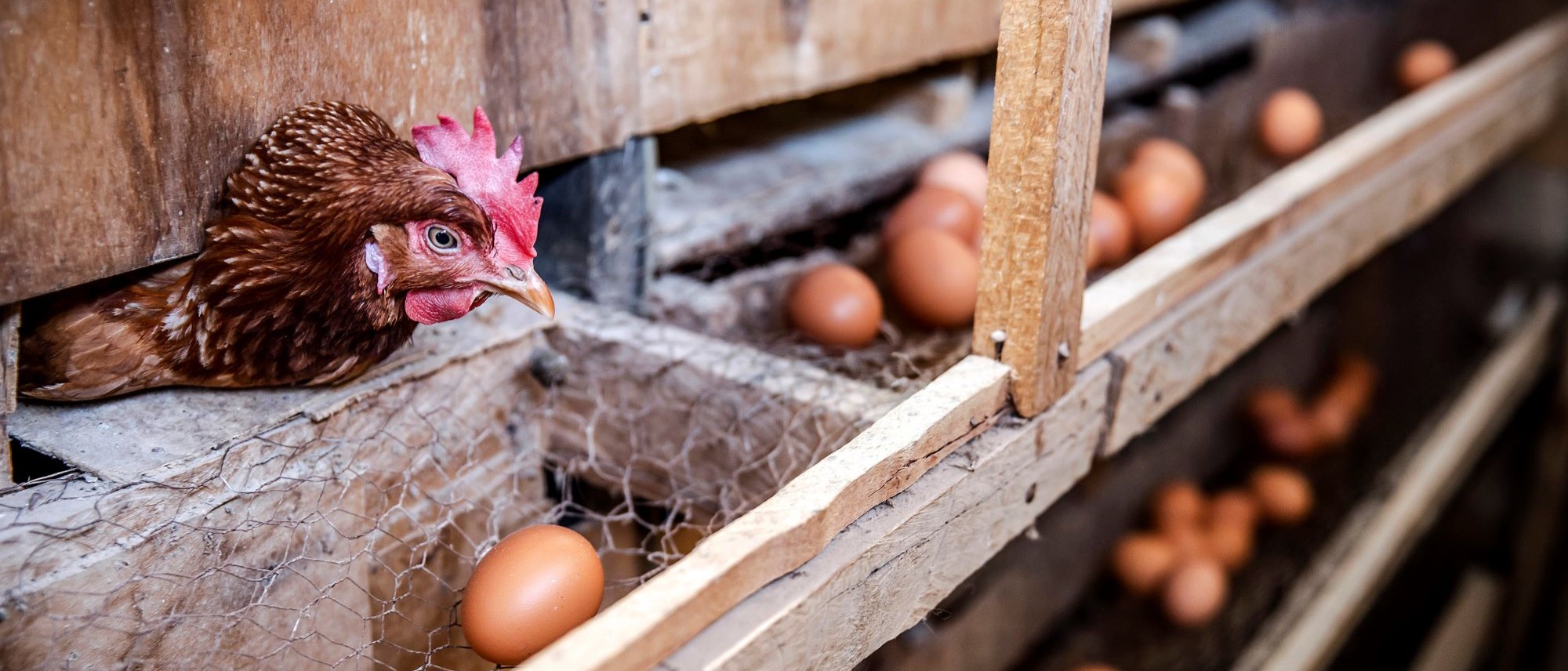
Beyond emission reduction, these biological additives:
As global markets shift toward sustainable agriculture, Veterinary Medicines Exporters and Animal Medicines Exporters from Vietnam have a clear advantage by offering environmentally responsible, high-performance feed solutions.
To achieve the 2030 methane reduction goal, the Vietnamese government is enacting green growth policies, encouraging Veterinary Medicines Vietnam and Animal Medicines Manufacturing companies to invest in biotechnology and renewable resources.
Tax incentives, R&D funding, and green finance programs are crucial tools enabling this transformation.
Vietnam’s veterinary medicines exporter community has grown rapidly, with products now reaching more than 25 countries across the Middle East, Africa, and South Asia.
These companies are evolving from pharmaceutical suppliers to comprehensive livestock solution providers, offering feed formulations, biotechnological additives, and emission management systems.
Sustainable transformation cannot succeed without farmers. When local farmers adopt feed innovations from Animal Medicines Manufacture, they gain both economic and environmental benefits.
Practical results from Mekong Delta farms demonstrate that enzyme supplementation can reduce feed costs by 10%, decrease methane emissions by 15%, and maintain productivity.
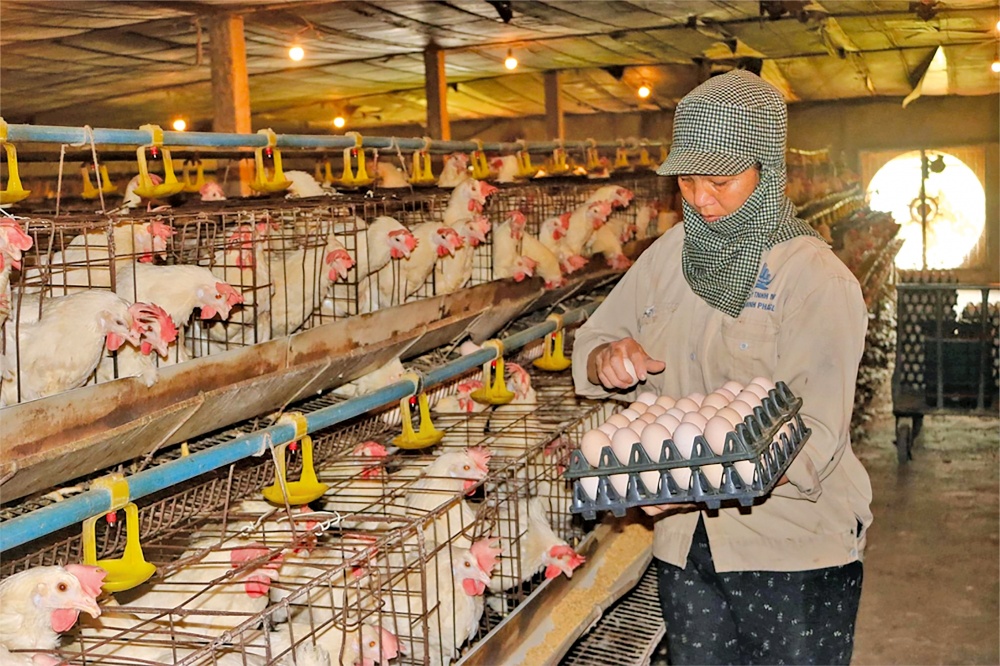
The integration of biotechnology, insect and seaweed protein, and emission monitoring systems is defining the future of Veterinary Medicines Vietnam and Animals Medicines Vietnam.
Modern Veterinary Medicine Manufacturing enterprises are transforming into green innovation hubs, providing digital farm management tools, IoT sensors, and nutrient optimisation software alongside their pharmaceutical and feed products.
As ESG (Environmental, Social, and Governance) standards become global trade prerequisites, Vietnamese Veterinary Medicine Exporters and animal medicine exporters can leverage their sustainability credentials to access premium markets.
Products certified as “Vietnam Green Veterinary Solutions” will represent not just quality, but also responsibility — a powerful brand identity in the global animal health industry.
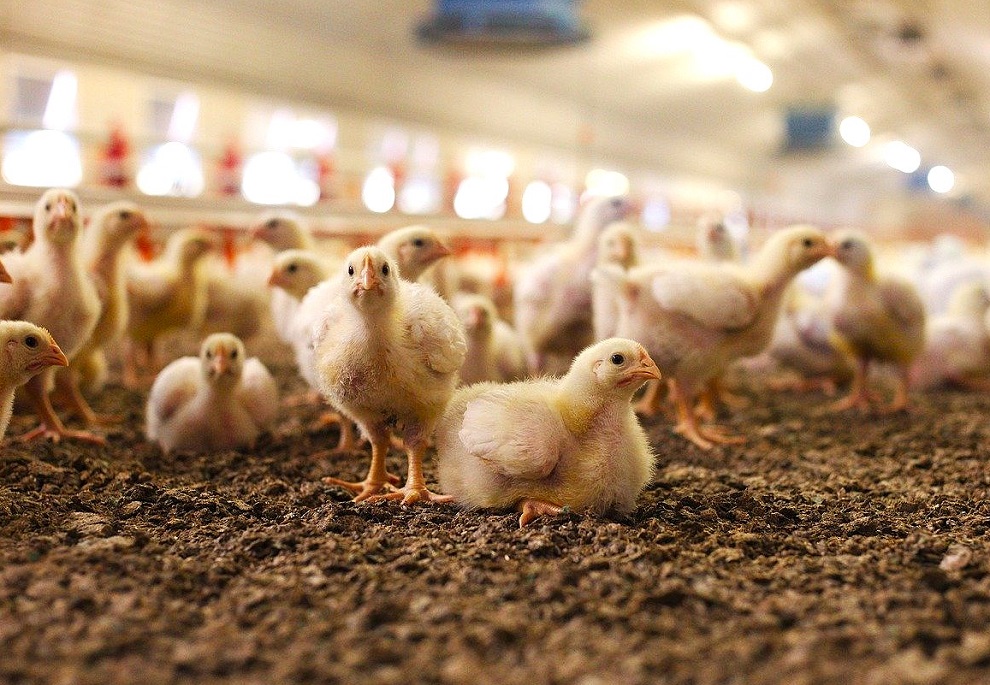
Reducing methane emissions is not merely an environmental responsibility—it’s a strategic pathway for Vietnam to build a modern, competitive, and sustainable livestock sector.
Through the integration of insect protein, seaweed additives, probiotics, and enzyme technology, the country is demonstrating that economic efficiency and environmental stewardship can be mutually beneficial.
When Government, Industry, and Farmers work together, the vision of a 30% methane reduction by 2030 becomes achievable.
Moreover, Vietnam’s veterinary medicine exporters and animal medicine exporters are well-positioned to become regional leaders, providing the world with innovative, low-carbon animal health and nutrition solutions.
The future of Veterinary Medicines Vietnam and Animals Medicines Vietnam lies not only in pharmaceuticals, but in sustainable innovation that safeguards both animal health and the planet.