
In modern livestock farming, nutrition not only determines growth performance but also directly affects animal health, productivity, and welfare. However, beyond its nutritional value, animal feed may also carry various contamination risks, including mould, heavy metals, pesticide residues, and plant-derived toxins. If not properly controlled, these toxins can undermine herd health, increase treatment costs, and cause significant economic losses for farmers.
For businesses operating in the fields of Veterinary Medicines Vietnam and Animals Medicines Vietnam, raising awareness of feed safety is an important part of a sustainable animal health protection strategy.
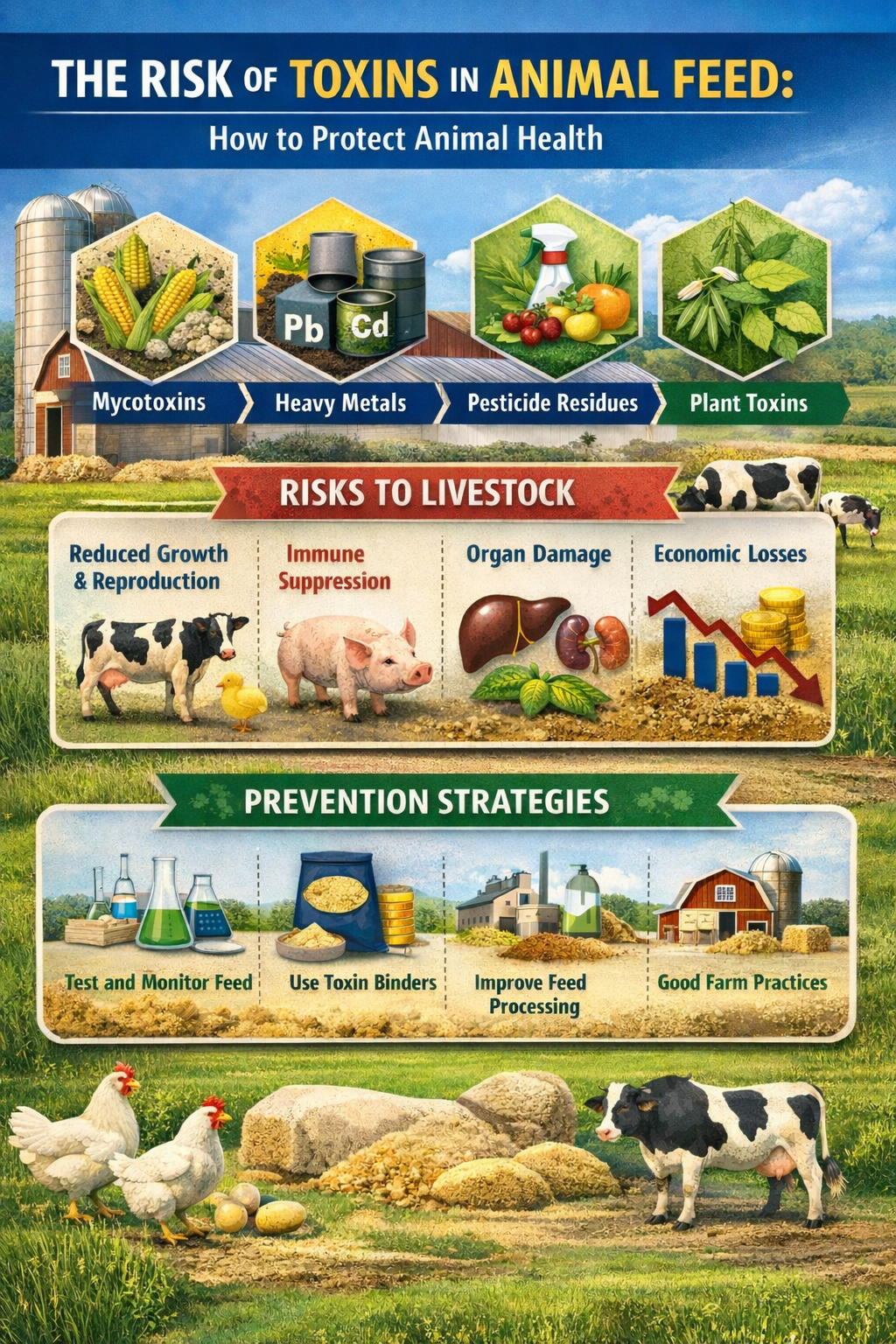
Mycotoxins are secondary metabolites produced by fungi such as Aspergillus, Penicillium, and Fusarium. They are among the most common contaminants found in feed ingredients such as corn, wheat, soybean meal, bran, and silage, especially under humid, hot, or poorly ventilated storage conditions.
Some common mycotoxins include:
Aflatoxin: Mainly produced by Aspergillus flavus and Aspergillus parasiticus. This is a highly toxic compound that can cause liver damage, suppress immunity, and severely affect animal health.
Deoxynivalenol (DON): Commonly found in grains contaminated by Fusarium. DON reduces appetite, lowers feed intake, decreases weight gain, and weakens the immune response in animals.
Zearalenone (ZEN): Also produced by Fusarium, this toxin has estrogen-like effects, causing reproductive disorders, reduced breeding performance, miscarriage, or infertility in livestock.
Fumonisin, Ochratoxin A, and T-2/HT-2 toxin: These toxins may affect the liver, kidneys, digestive system, and immune function of animals to varying degrees.
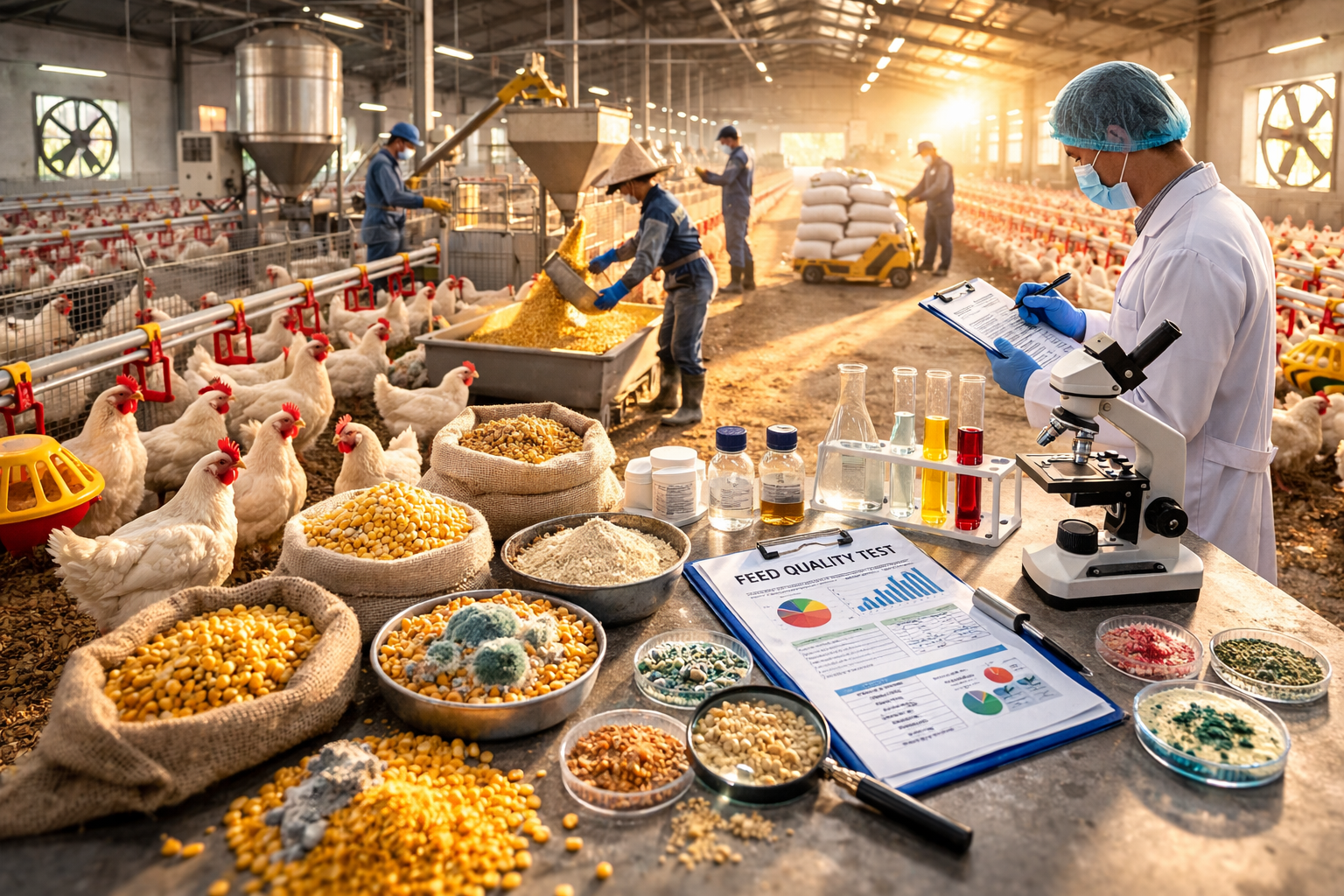
Lead, cadmium, mercury, and arsenic are heavy metals that may enter the food chain through contaminated soil, water, air, or raw materials. Unlike many other substances, heavy metals are not readily broken down or metabolised and may accumulate gradually in the bodies of animals.
Lead and cadmium are particularly concerning because they can cause neurological and kidney damage and may negatively affect long-term animal development. When accumulated at high concentrations, they not only harm livestock health but also pose food safety risks to humans.
In agricultural production, the use of crop protection chemicals is common. However, if feed ingredients are not strictly controlled, pesticide residues may remain in finished animal feed. In addition, some raw materials may also carry veterinary drug residues from production or storage processes.
Compounds such as organophosphates and carbamates can cause neurotoxicity, disrupt metabolism, and impair the overall health status of animals.
Certain natural plants may contain toxic compounds, or they may become contaminated with toxin-producing microorganisms during growth and harvest. When mixed into animal feed, these compounds can cause harm to livestock.
A typical example is pyrrolizidine alkaloids, a group of toxins that can damage the liver and increase the risk of chronic poisoning if animals are exposed over a prolonged period.
When animal feed is contaminated with toxins, the effects are often not limited to acute symptoms. In many cases, they may silently reduce herd performance over a long period.
Some toxins, such as DON, reduce appetite, impair digestion, and lower feed efficiency. As a result, animals grow more slowly, gain less weight, and require a longer production cycle.
Toxins such as zearalenone may disrupt hormones, reduce conception rates, increase the risk of miscarriage, or lead to poor reproductive performance. This is especially serious in sows, breeding cattle, and parent-stock poultry.
Aflatoxin and many other mycotoxins can weaken the immune system, making animals more vulnerable to infectious diseases, increasing treatment rates, and driving up veterinary costs.
When animal health is affected, farmers face multiple consequences, including reduced productivity, higher mortality rates, increased veterinary expenses, longer production periods, and possible trade restrictions if products fail to meet safety standards.
To protect animal health sustainably, toxin control must be implemented throughout the entire feed chain, from raw material sourcing to production, storage, and feeding.
Raw materials should be sourced from reputable suppliers that use standardised cultivation and harvesting practices. At the same time, regular testing for indicators such as mycotoxins, heavy metals, and pesticide residues is essential for early detection of contamination risks.
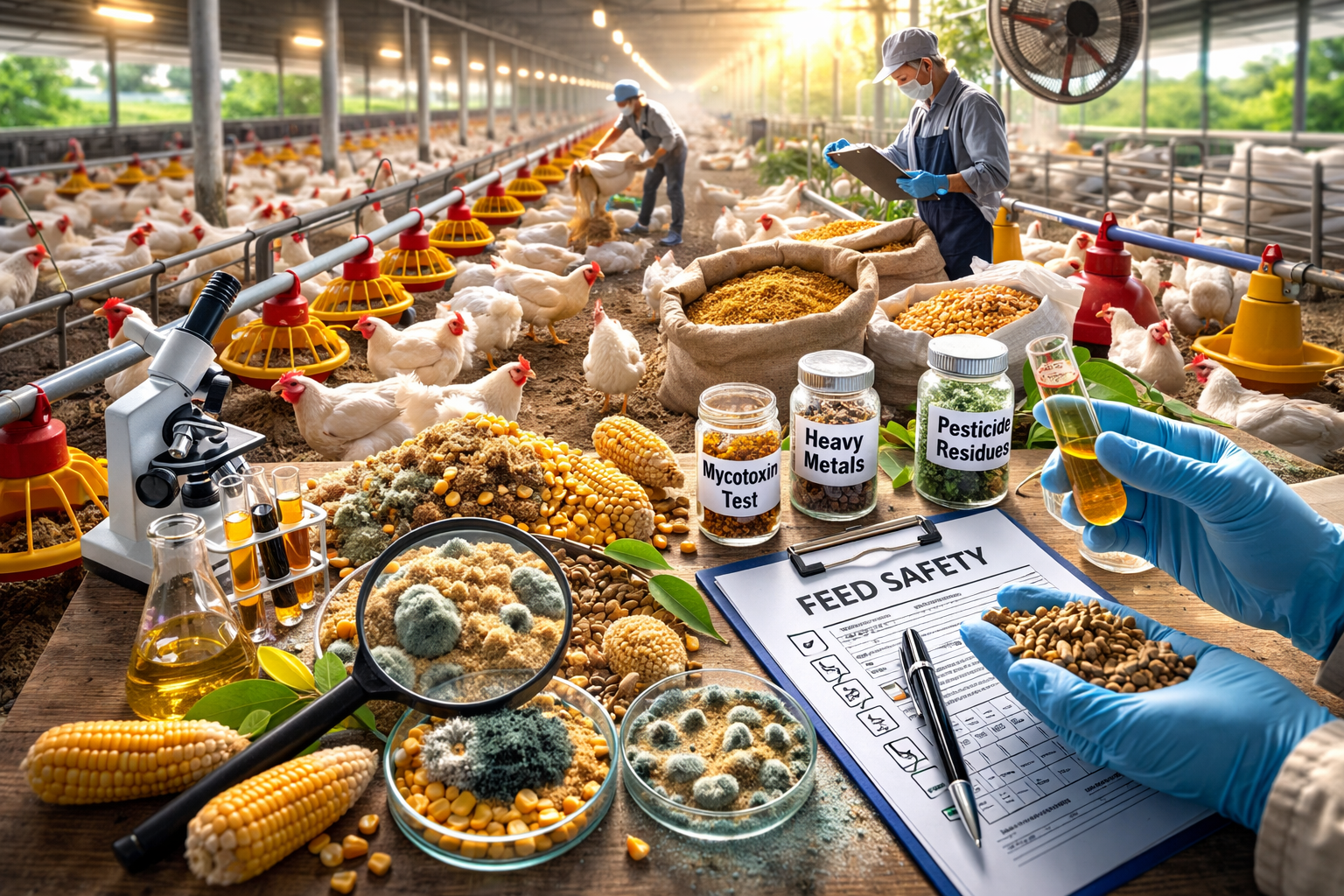
Physical methods such as screening, sorting, cleaning, and removing mouldy grains can help reduce some contamination risks. In certain cases, heat treatment may also help lower the levels of some toxins. However, it is not always effective against all contaminants.
Certain adsorbents, such as aluminosilicates, activated charcoal, or specialised polymers, can bind toxins in the digestive tract, thereby reducing their absorption into the animal’s body. In addition, probiotics or microbial strains capable of degrading toxins are promising solutions in modern livestock production.
A clean production environment, along with strict sanitation and disinfection procedures, can help reduce contamination risks within feed mills. At the same time, measures should be taken to prevent cross-contamination between production batches to ensure stable feed quality.
Compliance with national and international regulations on maximum allowable contaminant levels in animal feed is essential. Businesses should also conduct regular risk assessments to identify supply chain vulnerabilities and implement appropriate control measures.
In addition to feed-related factors, monitoring herd health and applying timely support solutions also play a very important role. This is why companies such as Sanfovet need to accompany farmers not only in treatment but also in disease prevention, immune enhancement, and overall improvement in livestock performance.
As a company strongly oriented toward growth in the fields of Veterinary Medicines Manufacture and Animal Medicines Manufacture, Sanfovet always focuses on comprehensive solutions to help farmers manage animal health more effectively. At the same time, with a strategy of expanding into international markets, Sanfovet is gradually strengthening its role as a Veterinary Medicines Exporter and Animals Medicines Exporter, helping bring high-quality veterinary solutions from Vietnam to more markets worldwide.
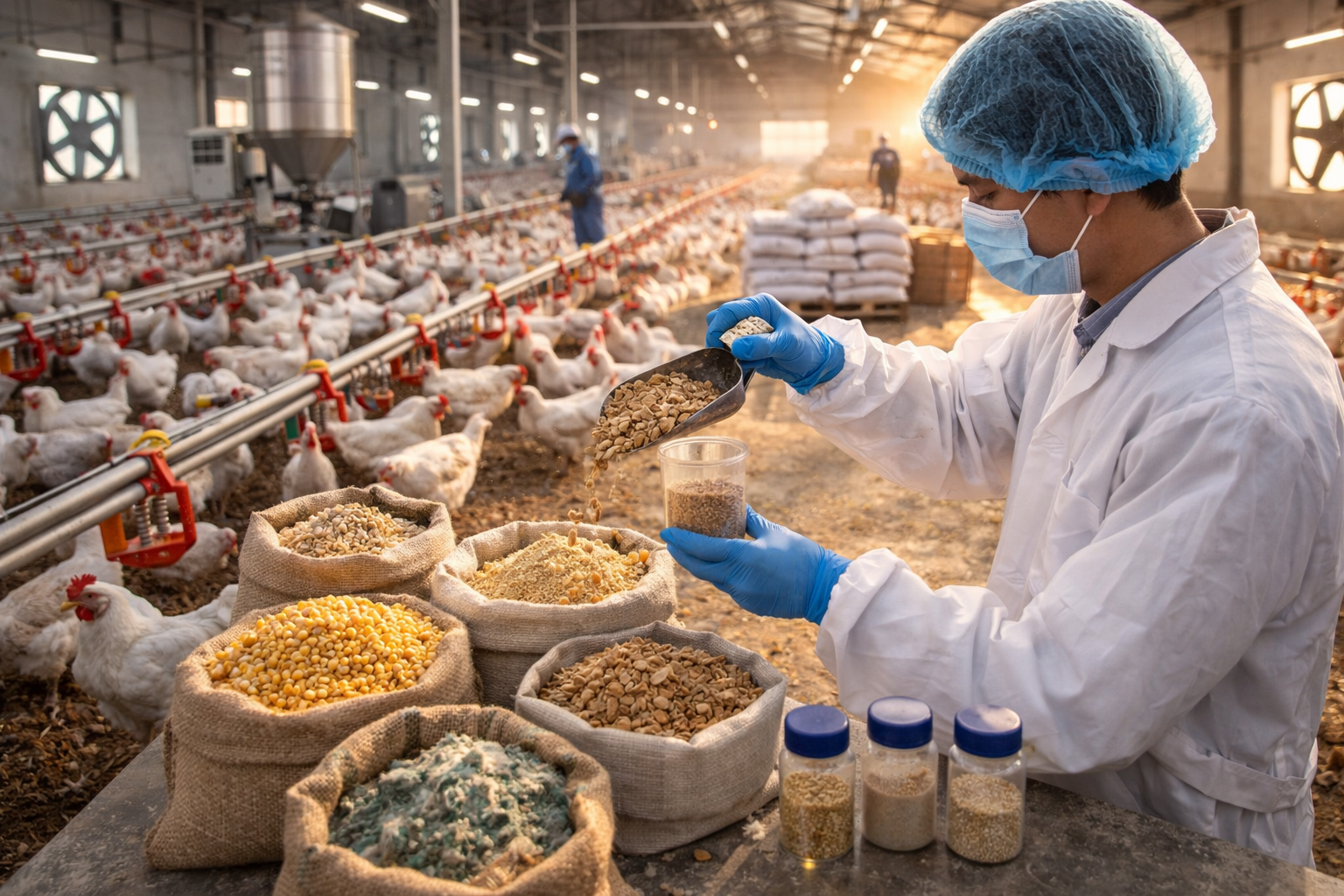
Toxins in animal feed are a major challenge for modern livestock production. Mycotoxins, heavy metals, pesticide residues, and plant-derived toxins can all seriously affect animal health, growth, reproduction, and productivity. Therefore, controlling raw materials, improving production processes, using suitable feed additives, and complying with safety standards are essential measures to minimise these risks.